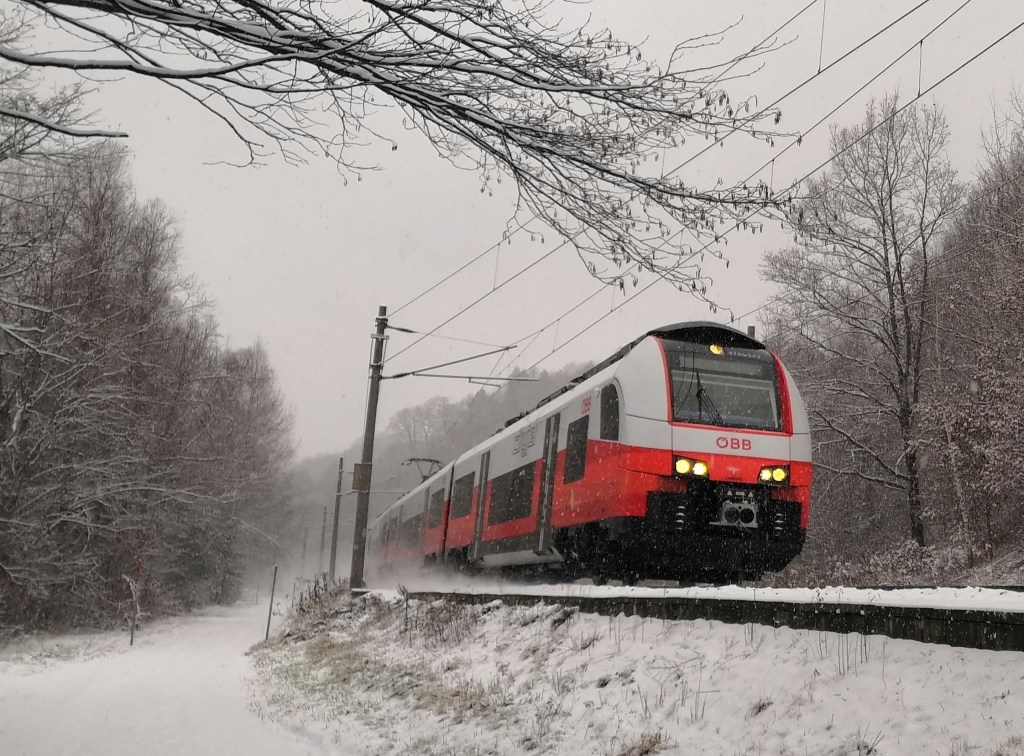
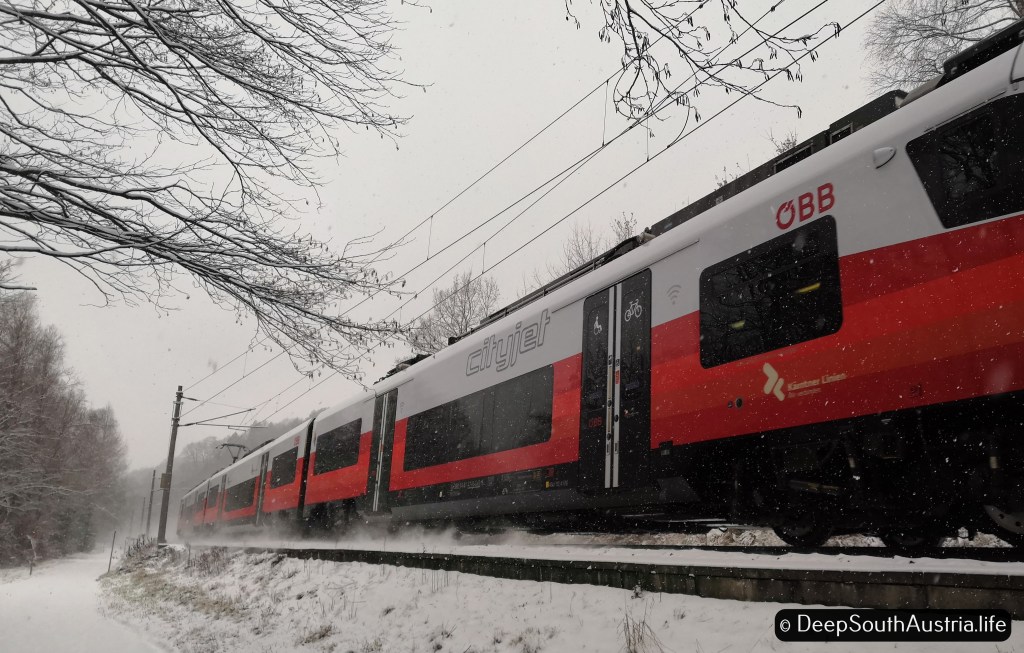
The Railjet curled to the right as it sped over the stone arches of the double-decker viaduct. Below, a deep green valley fell away; mountain meadows edged by spruce forest, dotted with wooden homesteads and rustic barns.
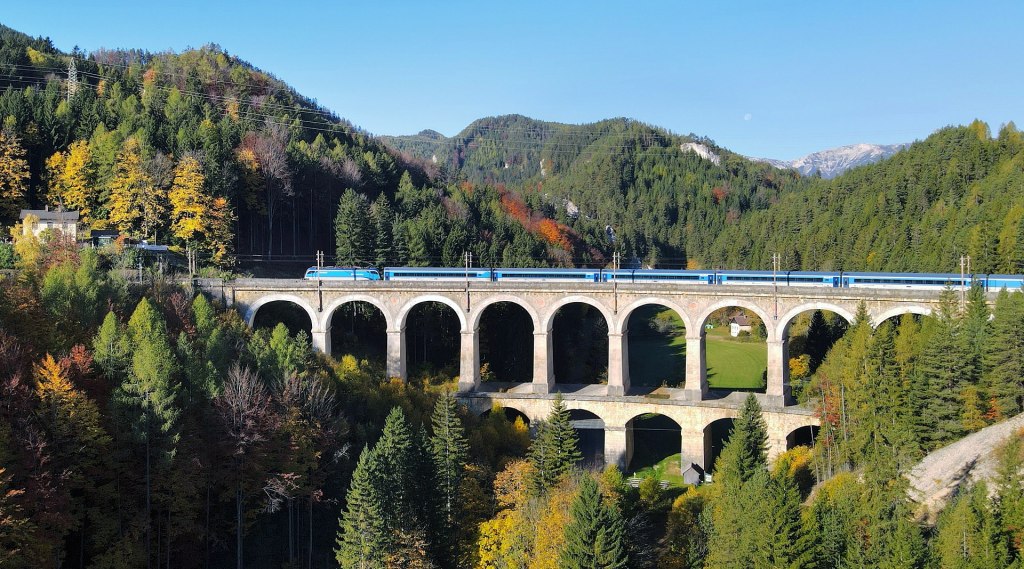
I was en route to Vienna. It’s a journey I have made many times and one I always look forward to. It’s not just the scenery that makes it such a pleasant ride; the mist rising off Wörthersee, the hill farms of Styria, and the Semmering pass, a section so picturesque it has World Heritage site status.
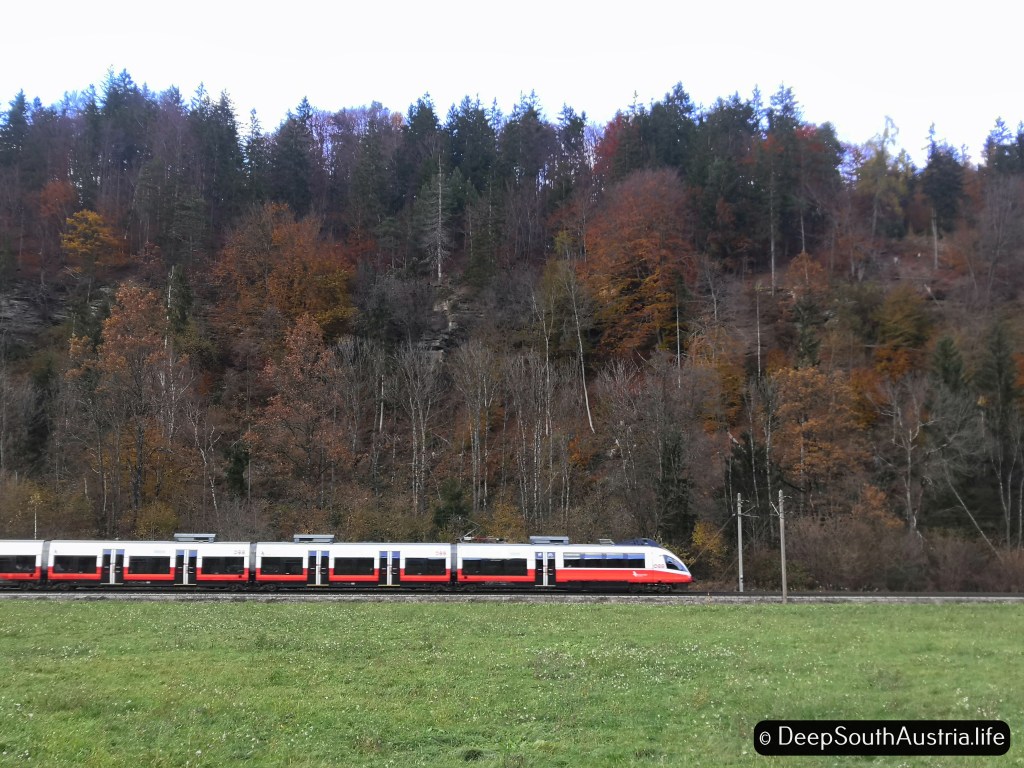
No. It’s the rolling stock, reliability and all the other trimmings that impress me. I’ve ridden the rails of many countries: my native England, Scotland where I lived for a decade, Slovenia, the US, Italy, India, Croatia, Norway and more. In my experience, the only country with trains that rival Austria’s, is Japan.


Deep South Austria; Connected to Europe
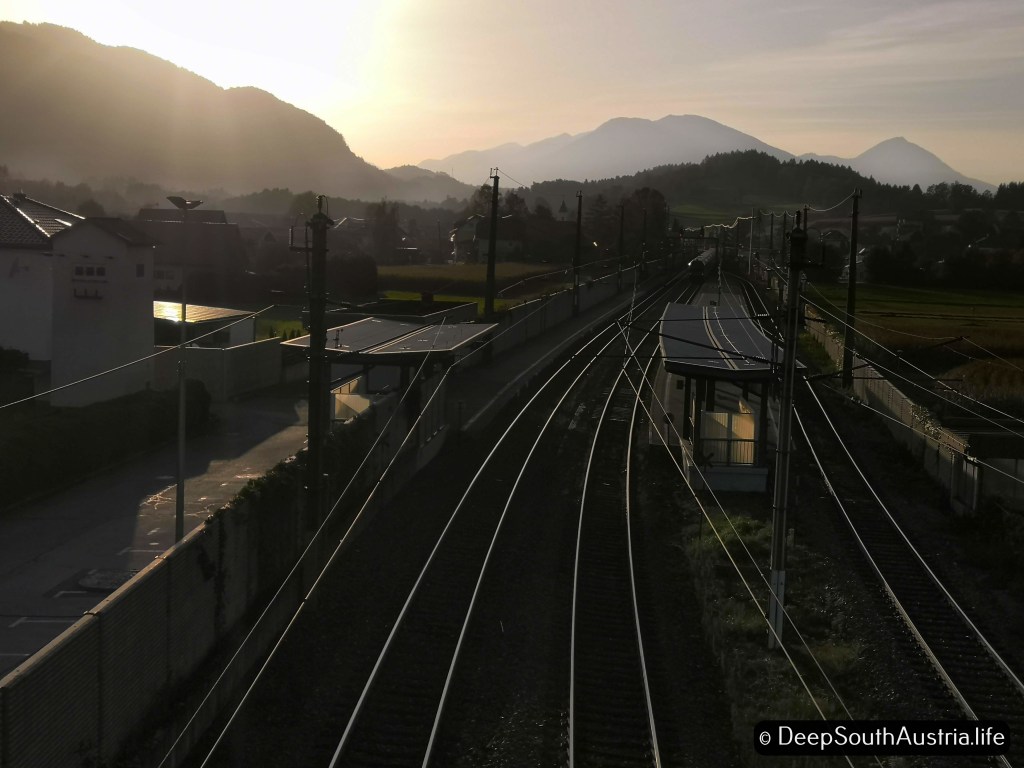
Despite living in the rural Deep South of Austria, our village has its very own train station. With just one change, I can be in Vienna, Ljubljana or Venice. With two changes I can reach Budapest or Berlin. And I can do it on clean, stylish trains that glide like silk.
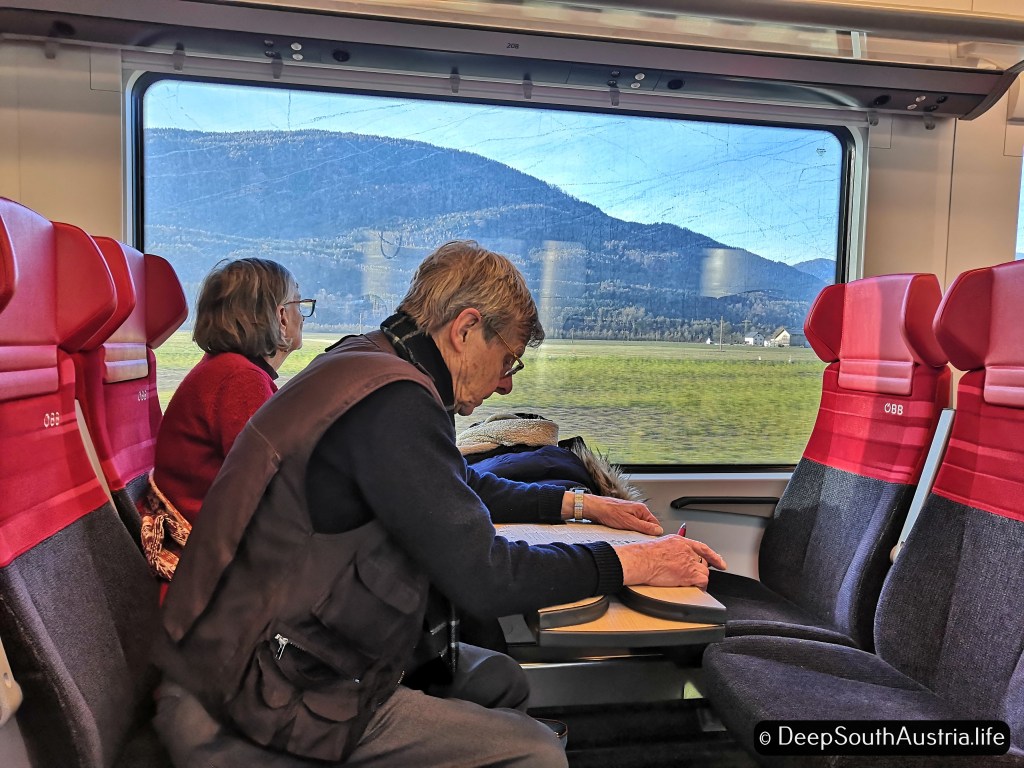
Most have free Wi-Fi (WLAN as Austrians call it), comfortable chairs and tables, room for bikes and buggies, and electronic screens in each carriage updating you on progress.
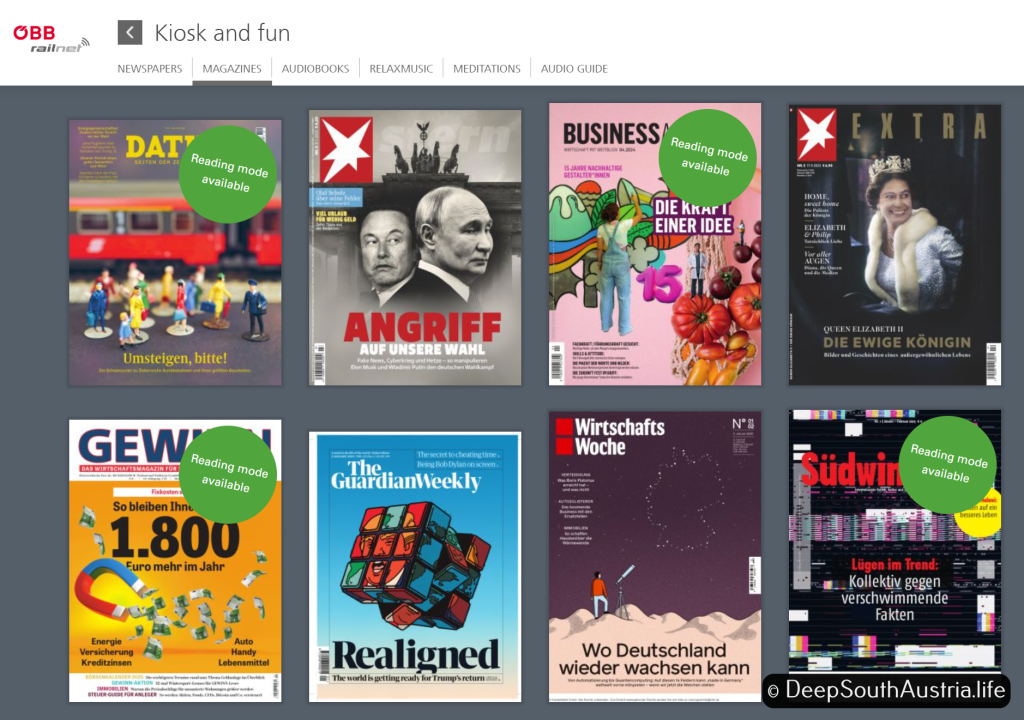
On the high-speed Railjets – which run the longer journeys – there’s an impressive onboard entertainment system, accessed via your own laptop or phone. You’ll find free magazines, films, and music.
You can order from the restaurant car and have it delivered directly to your seat. And on the Semmering section, there’s even a guided GPS tour that talks you through the scenery as you pass and tells the story of the line’s construction.
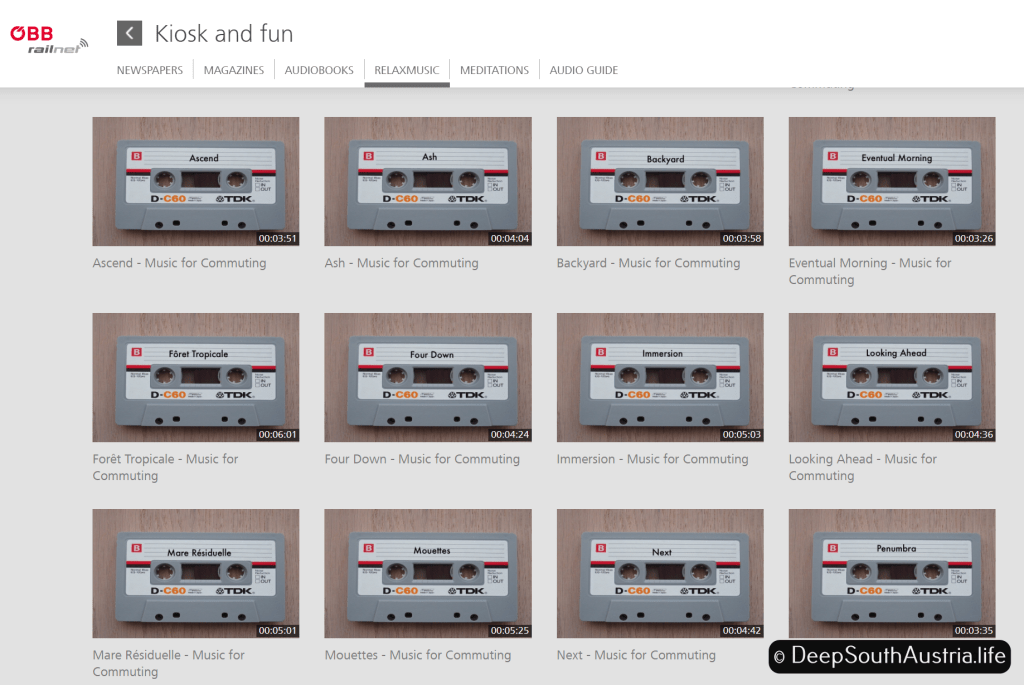
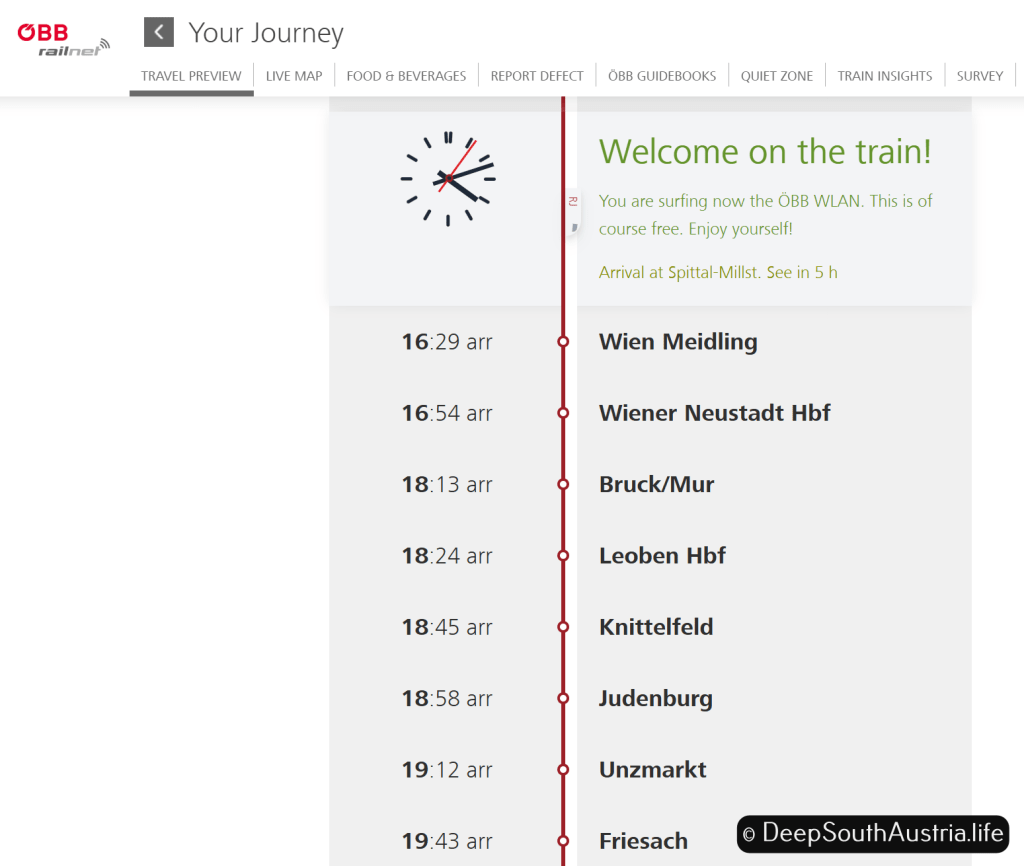
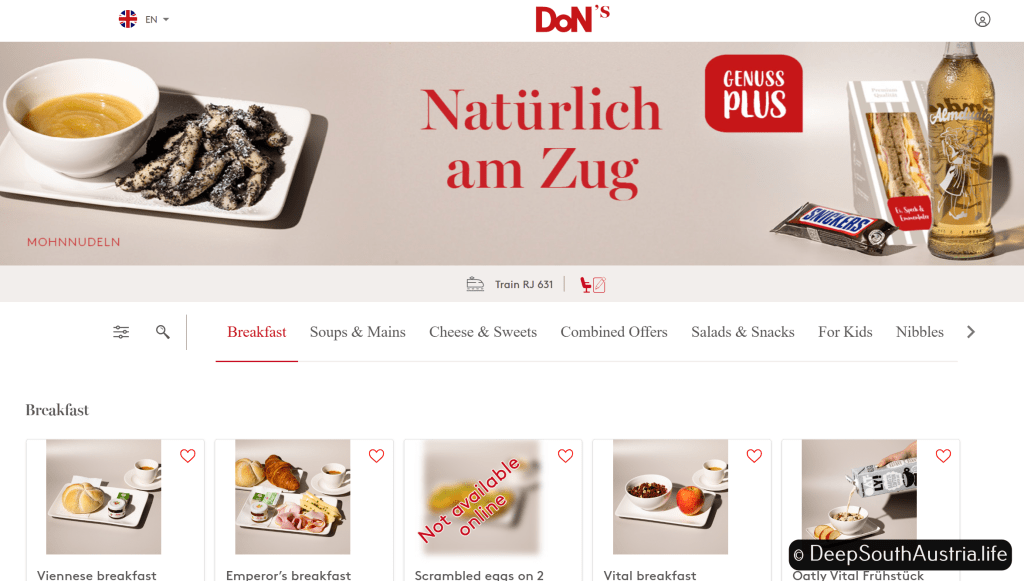
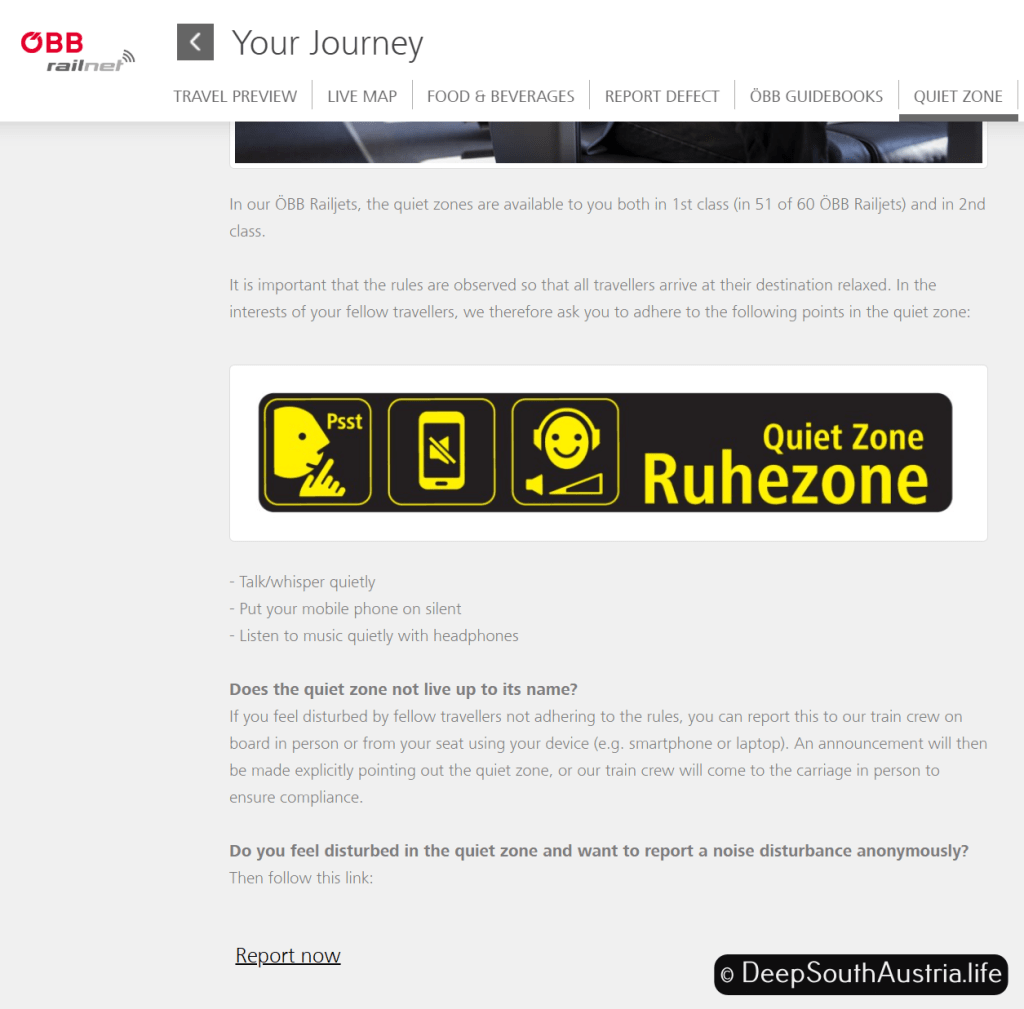
In the quiet carriage – where speaking loudly is strickly verboten – you can report noisy offenders anonymously. They’ll get a gentle reminder over the train’s PA about respecting the low-volume rules. If that doesn’t do it, the conductor will pay them a personal visit.
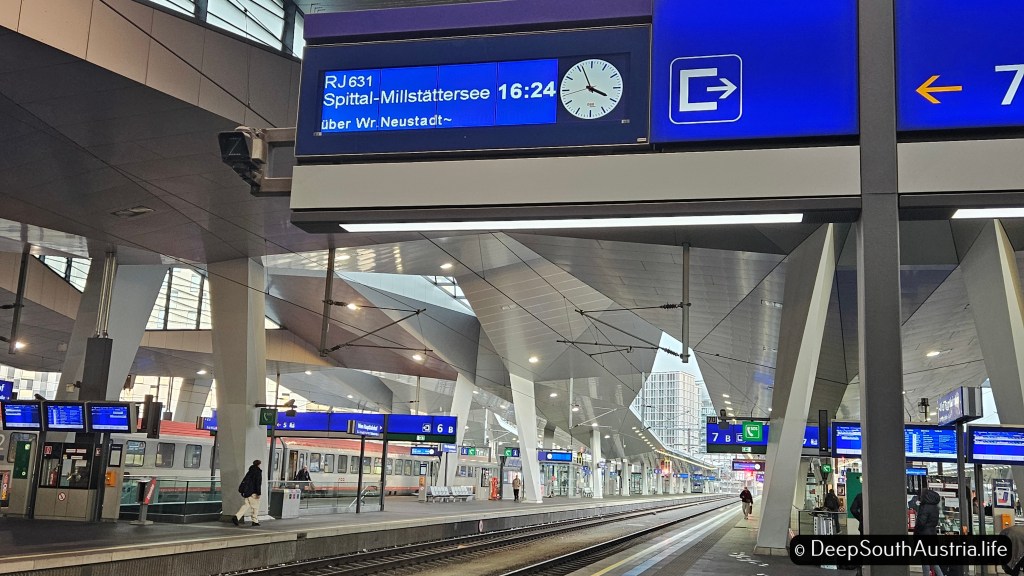
On the platforms of larger stations, electronic screens inform you about the carriage layout of incoming trains and exactly where each one will roll to a stop, so you can get into position before the loco arrives.
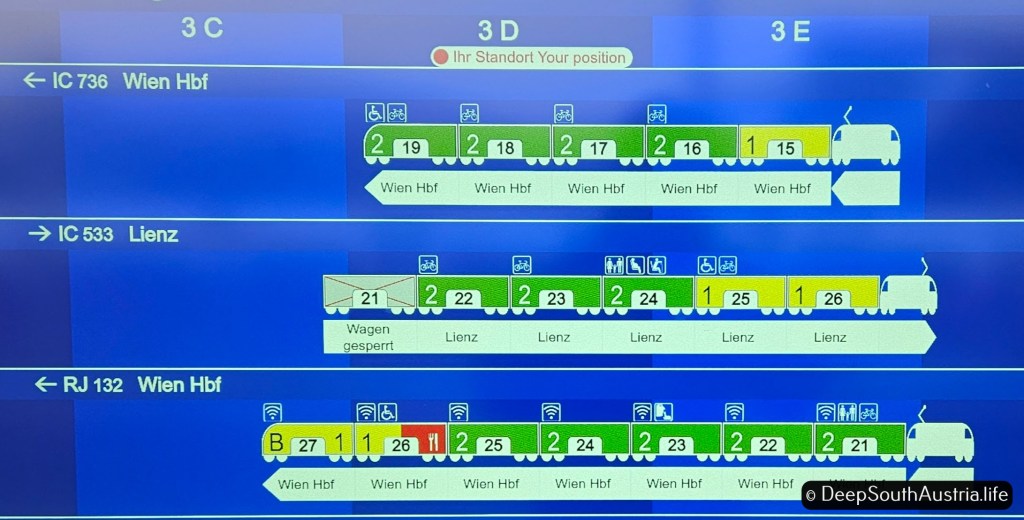
ÖBB’s website and app also deserve a mention. Available in English as well as German, they’re easy to use for planning journeys or booking trips. I was particularly impressed when I left my umbrella on the train once and was able to use the app to report the loss. There were even preset options for describing the colour, pattern and type of handle (straight or curly) of my brolly.
British Trains Vs Austrian Trains
Trains in the UK have become incredibly expensive, often uncomfortably crowded, and frequently late. That’s a generalisation, of course. But since British Rail – the national company that once ran Britain’s trains – was privatised and dismantled in the mid-90s, the quality of your ride depends heavily on the operator of any given service.
I travel monthly to Vienna, and rarely are the trains late. But if they are delayed by even just one minute, I get an email from ÖBB apologizing for the inconvenience, a gesture alien to UK commuters, where trains can be up to ten minutes late and still considered on time.

Austria operates the vast majority of its system under a single, national entity: Österreichische Bundesbahnen, aka ÖBB. And they seem to do a top job. Not only are the trains comfortable and punctual – they are affordable.
Austria’s ‘all-in’ KlimaTicket
In 2021, the ‘KlimaTicket’ was introduced, an annual pass that enables you to travel on all trains, buses and trams, across the whole of Austria. Costing just €1179, it’s incredible value. The UK has nothing comparable. Season passes for routes from London’s commuter belts into the city cost 6 times that price, and that’s just for one line.
Austria also appears to be upgrading its stations, even the smallest ones. Though this does mean a loss of the characterful old guard houses and signal boxes, it also means wheelchair accessible platforms, bike parking, ticket vending machines and lifts at most stops.
Now, Austria’s excellent train system of course costs money. But it seems the Austrians have decided that a punctual, affordable train network with modern rolling stock is worth spending on. I’d say they’re right. If all countries had a rail system as good as Austria’s, I suspect many more people would ditch the car and let the train take the strain. And I haven’t even mentioned Austria’s amazing night trains.
Gut gemacht Österreich.



 Deep South Austria
Leave a reply to Caroline Cancel reply