‘When I put away my shotgun, Borrow me a Glock, Took a little trip to the funky weed spot’ rapped Cypress Hill in their 1993 track, Hand on the Glock.
Tupac, Dr. Dre, The Wu-Tang Clan and hundreds of others have also namechecked the Austrian semi-automatic, part-polymer pistol, that revolutionised handguns and earned it a place at the side of police forces, military personnel – and criminals – across America and beyond.
How did Mr Gaston Glock, an Austrian engineer, get his weapon into the holsters and lyric sheets of so many?
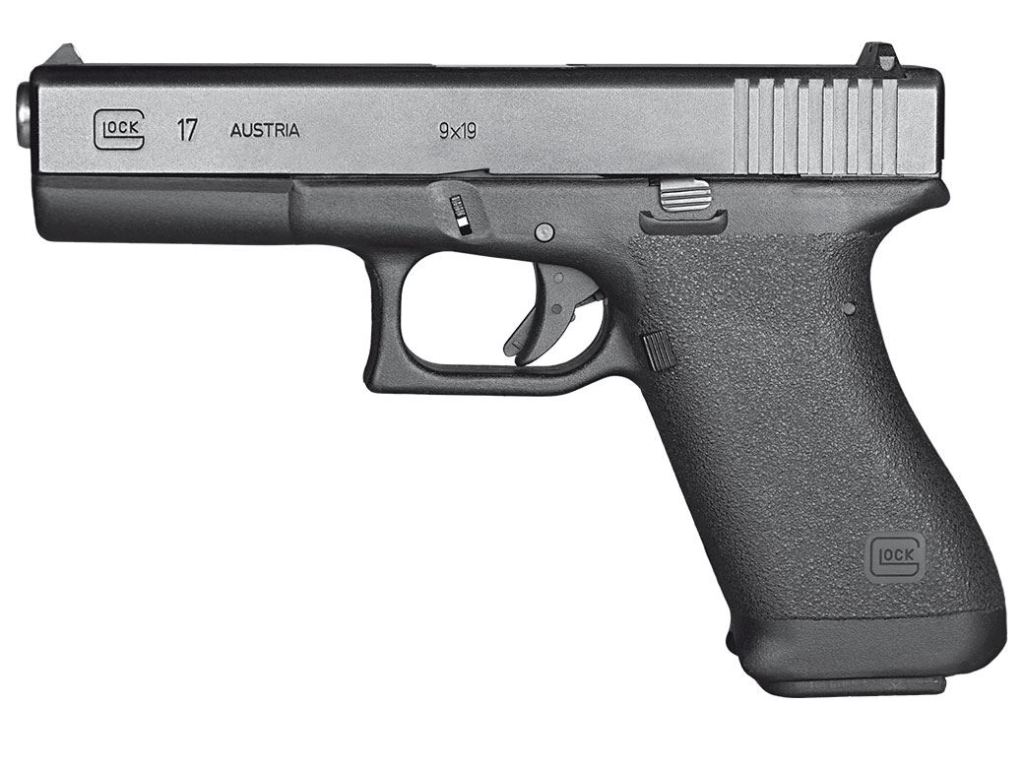
Austrian Innovation
The story begins in the 1980s, when Mr Glock, already making knives and other parts for the military, decided to redesign the handgun. Asking Austrian experts how the pistols of the time could be improved, their answer was: more bullets, more durable and more reliable.
Mr Glock brought all those enhancements, and more, to his new invention: the Glock 17. Holding seventeen 9mm calibre rounds – plus one in the chamber – it was the 17th patent Glock filed – hence the name.
His pistol was simpler, tougher, and with his ingenious use of a dense polymer to replace some metal parts, considerably lighter. The Austrian military and police force loved its accuracy, reliability and larger magazine capacity, and he won a contract to supply them with 25,000 pieces.
A few years later, the Glock 17 passed the NATO durability test, and became the standard NATO-classified sidearm. This paved the way for Glock’s gun to become the preferred pistol of international law enforcement. By the early ‘90s, Glock had sold some 350,000 of his weapons across 45 countries.
An Iconic Arm
The sleek, blocky, matt-black look of the Glock was futuristic and made it stand out from most pistols of the time; typically shiny, metallic, rounded revolvers with wooden handgrips. Renowned for high accuracy, reliability, and a bigger bullet capacity, Glocks were rapidly adopted by citizens as well as governments.
Hollywood screentime further boosted the Glock’s kudos. The weapon began to appear in shows such as Law and Order and was riffed on – in a scene riddled with factual errors – by Bruce Willis’ character in Die Hard 2. (He said it was a “porcelain pistol…made in Germany”).
Currently, the Glock 17, or one of its sister models, is carried by police and military forces from Argentina to Azerbaijan, Israel to India, the United States to the United Kingdom. As a teenager, even I had the BB version.
Good Thing We Brought The Glock
Gaston Glock – who died a billionaire at age 94 in 2023 – was reputedly still involved in the running of the business till his death. His handguns continue to be manufactured in Ferlach, a rural area in Carinthia, the deep south of Austria. Glock also have factories in Slovakia and the US.
The Glock’s success has spawned many clones and copies. Numerous rivals now make pistols that look very similar Mr Glock’s. But despite the competition, Glocks continue to dominate handgun sales.
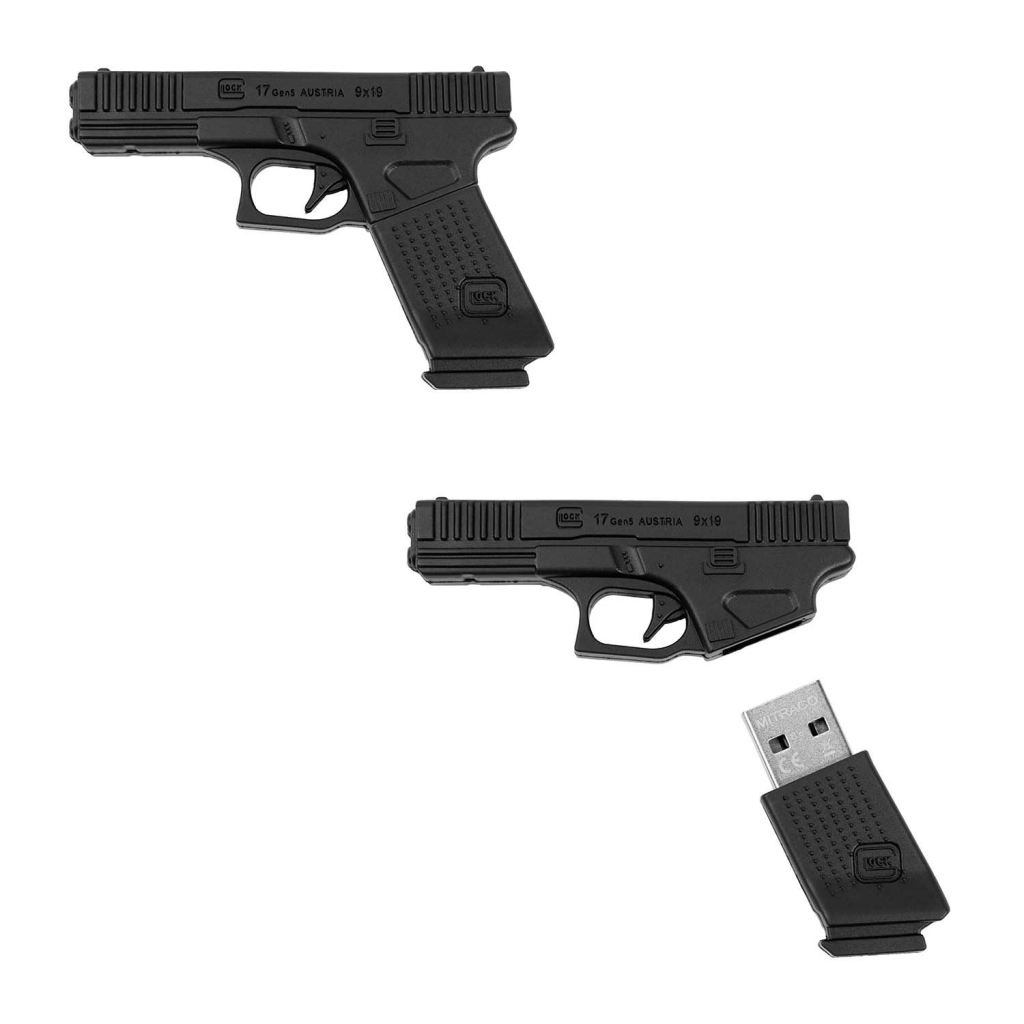
With Glock-branded stress balls, bath towels, a flash drive, and umbrellas available from the official Glock website, it seems Austria’s polymer pistol will continue to be the world’s weapon of choice for some time yet.
As the Wu Tang Clan said: “Never leave home without it. Good thing we brought the Glock”.



 Deep South Austria
Leave a reply to fearless5bce6a5dff Cancel reply